
Summary
- Quantitative Easing (QE) has been shown to significantly influence global inflation rates by increasing the money supply and lowering interest rates.
- The implementation of QE in major economies often leads to a spillover effect, impacting inflation levels in developing countries as well.
- Economic studies suggest that while QE aims to stimulate economic growth, it can also lead to an overheating economy characterized by higher than desired Global Inflation.
- Central banks must carefully balance the use of Monetary Policy tools like QE against potential risks such as unsustainable inflationary pressures and asset bubbles.
Introduction and Fundamentals
Quantitative Easing, Global Inflation, and Monetary Policy are closely linked.
Economists track these factors to predict market trends. Central banks use tools like QE to influence economies.
QE involves buying large amounts of financial assets. This increases money supply.
Increase in money can lead to higher prices, affecting inflation rates worldwide.
Countries implement QE during economic downturns to stimulate growth.
This strategy aims to lower borrowing costs and encourage spending.
How it Works: A Comprehensive Look
Quantitative Easing, Global Inflation, Monetary Policy shape economies.
Banks buy bonds from governments and companies. This adds money to the economy.
Central banks increase money supply during hard times.
This boosts spending and lending in financial markets.
Economists watch for changes in prices after QE.
If too much money flows, goods become expensive.
Inflation measures price growth over time. Higher numbers mean more costs.
Practical Strategies and Implementation
Quantitative Easing, Global Inflation, and Monetary Policy are closely linked.
Banks buy government bonds to increase money supply.
This action lowers long-term interest rates, encouraging borrowing and spending.
Increase in demand can lead to higher prices for goods and services.
To manage this impact, central banks adjust their strategies.
Understanding these dynamics helps investors make better financial decisions.
For deeper insights into QE’s effects on interest rates, read our article here.
Real-Life Case Studies and Examples
Quantitative Easing, Global Inflation, Monetary Policy affect economies worldwide.
Brazil saw high inflation after quantitative easing in the US. Large money supply caused prices to rise sharply.
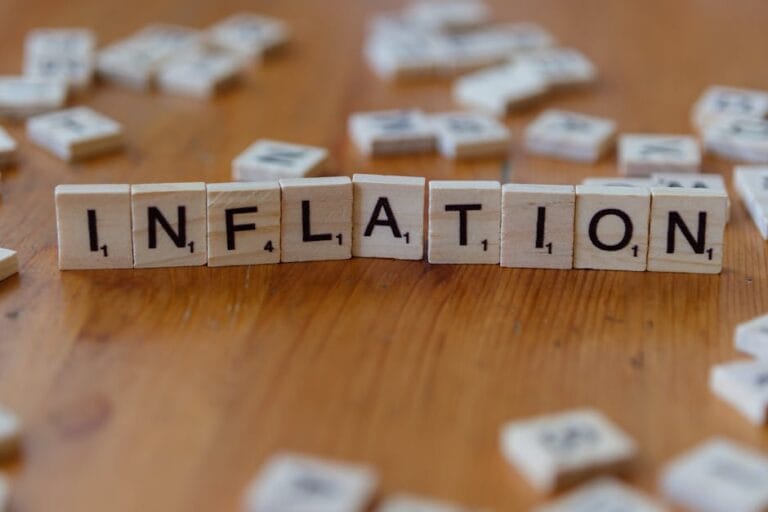
How Quantitative Easing Affects Global Inflation
Japan tried QE for years but struggled with low inflation. Policy goals not met, despite large stimulus efforts.
In Europe, ECB used QE to tackle deflation risks. Bond purchases supported growth and kept inflation stable.
Developing nations often face higher import costs due QE. US dollar strengthens, making imports expensive for them.
Countries with weak currencies feel the pinch more strongly. Inflation rates climb faster as imported goods become costly.
Advanced Analysis and Future Trends
Quantitative Easing, Global Inflation, and Monetary Policy are closely linked.
Economists study past QE effects to forecast future trends accurately.
Policymakers face tough decisions balancing growth with inflation risks.
New financial technologies could alter how central banks manage liquidity.
Governments will watch closely for signs of asset bubbles forming.
International cooperation is vital to mitigate global economic disparities.
Economic models adapt, incorporating more variables to predict outcomes better.
Common Challenges and Mistakes to Avoid
Quantitative Easing, Global Inflation, Monetary Policy face common challenges.
Economists often struggle with predicting inflation accurately after QE.
QE can boost short-term growth but might not control long-term rates.
Misusing monetary policy tools can lead to economic instability.
Avoid focusing only on short-term gains without considering future risks.
Visit Investopedia for detailed insights on QE.
Conclusion and Final Recommendations
Quantitative Easing, Global Inflation, Monetary Policy are closely linked.
Inflation rose in many countries after quantitative easing programs.
Economic recovery saw prices go up due to increased money supply.
Central banks aim to balance growth and inflation through policy adjustments.
Monitoring global markets is crucial for understanding QE’s long-term impacts.
Investors should stay informed about changes in monetary policy worldwide.
Frequently Asked Questions
What is quantitative easing (QE) and how does it work?
Quantitative easing (QE) is a monetary policy tool used by central banks to stimulate the economy when traditional methods like lowering interest rates are no longer effective. It involves the purchase of large quantities of government bonds or other financial assets from commercial banks, aiming to increase liquidity in the banking system and encourage lending and investment.
How does quantitative easing affect global inflation rates?
The impact of QE on global inflation is complex and can vary depending on several factors. Generally, by increasing the money supply, central banks aim to lower borrowing costs and spur economic activity, which can lead to higher demand for goods and services. If this results in excess demand relative to supply, it could push up prices, leading to increased inflation rates.
Are there risks associated with quantitative easing?
Yes, while QE is designed to boost the economy, it also carries certain risks. One significant risk is the potential for asset bubbles due to excessive liquidity in financial markets. Additionally, if central banks do not manage the withdrawal of stimulus effectively, there could be a sudden slowdown or even deflation as the economy adjusts.
How have recent quantitative easing measures affected global commodity prices?
The implementation of QE can influence global commodity prices by affecting supply and demand dynamics through its impact on currency values. For example, if a country’s central bank implements QE, it might lead to depreciation of that country’s currency relative to others, making imported commodities more expensive domestically while potentially cheaper for foreign buyers.