
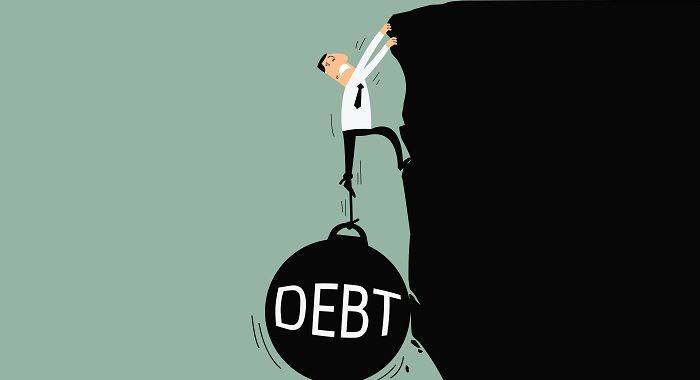

In today’s fast-paced financial world, debt has become a common part of life for millions of people. From credit cards to student loans, mortgages, and personal loans — debt can easily pile up faster than expected. While some level of debt isn’t necessarily harmful, unmanaged debt can quickly spiral out of control, leading to serious financial and emotional consequences. That’s where effective debt management comes in.
This guide explores what debt management is, why it’s important, and how individuals can take control of their finances through strategic debt management.
What Is Debt Management?
Debt management refers to a structured approach to paying off existing debts in a sustainable and manageable way. It involves planning, budgeting, and possibly restructuring your debt to ensure consistent repayment while minimizing interest costs and avoiding default.
Debt management can be done independently or with the help of a professional debt management company or credit counselor. Regardless of the approach, the goal is the same: to reduce debt burden and regain financial freedom.
Why Is Debt Management Important?
- Avoiding Bankruptcy: Effective debt management can prevent the need for bankruptcy — a serious financial decision with long-term consequences.
- Reducing Financial Stress: Living with high debt levels often causes stress and anxiety. Managing your debt leads to peace of mind.
- Improving Credit Score: On-time payments and reduced debt improve your credit rating, making it easier to get loans or lower interest rates in the future.
- Building Financial Stability: Once debt is under control, you can start building savings, investing, and working toward long-term financial goals.
Common Types of Debt
Understanding the types of debt you have is the first step to managing it:
- Credit Card Debt: Often high-interest and revolving, making it one of the most dangerous types of debt.
- Student Loans: These can be long-term debts with fixed or variable interest rates.
- Mortgages: Typically long-term and lower-interest, but still a major financial commitment.
- Auto Loans: Secured loans tied to depreciating assets.
- Personal Loans: Unsecured and can carry high interest if your credit is poor.
Signs You Need a Debt Management Plan
You might need a formal debt management plan (DMP) if:
- You’re only making minimum payments on credit cards.
- You’re using credit to pay for essentials such as food, rent, and bills.
- Your monthly debt payments exceed 40% of your income.
- You’ve been denied additional credit or loans.
Creating Your Own Debt Management Strategy
1-Take Inventory of Your Debts
List all your debts, including:
- Total amount owed.
- Monthly payments.
- Interest rates.
- Lenders and due dates.
This gives you a clear picture of where you stand.
2-Create a Realistic Budget
Make a monthly budget that includes all income and necessary expenses (housing, food, transportation, utilities). Allocate a portion of your income to pay off debt. Stick to your budget — consistency is key.
3-Prioritize Your Debts
Choose a repayment strategy:
- Avalanche Method: Pay off debts with the highest interest rates first while making minimum payments on others.
- Snowball Method: Pay off the smallest debts first to build momentum and motivation.
Both methods are effective — pick the one that best fits your personality and financial situation.
4-Negotiate with Creditors
If managing your debt feels overwhelming, consider negotiating directly with creditors. Alternatively, turn to a credit counseling agency or a debt management company for professional help.
Debt Consolidation vs. Debt Management
Debt consolidation involves taking out a new loan to pay off multiple debts. This simplifies payments and may lower interest rates but can backfire if:
- The new loan has high fees or variable interest.
- You continue to accumulate new debt.
- Don’t address the root cause of overspending.
Debt management, on the other hand, doesn’t involve new debt. It’s a structured plan to repay your existing obligations over time.
How Debt Affects Your Mental Health
Unmanaged debt isn’t just a financial issue — it’s also a mental health one too:
- Debt can lead to chronic stress, anxiety, and even depression.
- Affects relationships and decision-making.
- Studies show a strong link between high debt and poor physical health.
Managing debt = managing mental well-being.
Digital Tools and Apps for Debt Management
Technology can help you stay on track. Try apps like:
- YNAB (You Need A Budget): For budgeting and debt goals.
- Undebt.it: Specifically for planning debt payoff using snowball/avalanche methods.
Tips to Stay Debt-Free After Paying Off Debt
- Build an Emergency Fund: Aim for 3–6 months of living expenses.
- Use Credit Responsibly: Only spend what you can pay off monthly.
- Budget Every Month: Continue monitoring your income vs expenses.
- Invest in Your Future: Retirement accounts, savings goals, and assets.
- Educate Yourself: Read personal finance books, follow experts, stay informed.
Debt doesn’t have to control your life. Through conscious planning, budgeting, and commitment, anyone can take control of their financial situation. Whether you’re overwhelmed with credit card bills or just want to become more financially stable, debt management is your path to freedom.
Remember: Taking action today — even small steps — sets you on the journey toward long-term financial stability and peace of mind.