
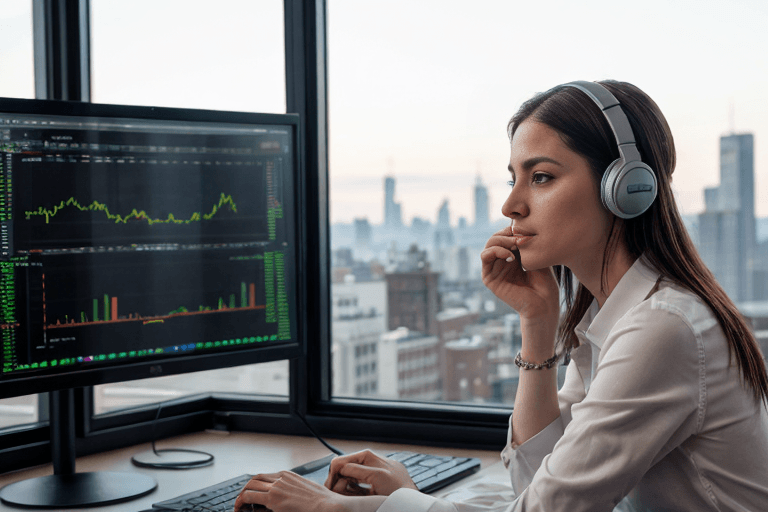
📌 Key Takeaways
- Automated trading leverages AI for swift decision-making.
- Smart contracts ensure secure, transparent transactions.
- Reduced human error enhances market efficiency greatly.
- Data analytics drive predictive models in real-time.
What Is It and Why Does It Matter?
In 2026, financial markets are becoming more automated with the help of smart technologies like Algorithmic Trading Smart Contracts. This system allows computers to make trades based on pre-set rules and data analysis.
What Are Algorithmic Trading Smart Contracts?
Algorithmic Trading Smart Contracts are digital agreements that automatically execute trades when specific conditions are met. They use computer algorithms to analyze market data, decide the best time to buy or sell assets, and then make those transactions happen instantly without human intervention.
Why Are Algorithmic Trading Smart Contracts Important?
In 2026, these contracts help traders react faster and more accurately than humans can. They reduce errors, speed up trading processes, and allow investors to manage large volumes of data efficiently. This technology is crucial for staying competitive in fast-moving markets.
Who Can Benefit from Algorithmic Trading Smart Contracts?
Besides professional traders, regular people looking to invest or trade can also benefit. These tools provide opportunities to automate strategies and potentially increase profits while minimizing risks. Anyone interested in financial gains without constant monitoring might find these useful.
To use Algorithmic Trading Smart Contracts effectively, it’s important to understand how they work and their limitations. While powerful, they rely on accurate data and well-designed algorithms, which need careful management.
Key Benefits of Using Algorithmic Trading with Smart Contracts
- Faster Execution: Trades happen as soon as conditions are met, without delays from human decision-making.
- Reduced Human Error: Mistakes like missed trades or emotional decisions are minimized due to automation.
- Better Data Analysis: Algorithms process vast amounts of data quickly and find patterns humans might miss.
In conclusion, Algorithmic Trading Smart Contracts in 2026 offer a powerful way to manage investments with precision. By leveraging technology, traders can stay ahead in the rapidly evolving financial landscape.
Core Concepts You Must Know First

Welcome to the exciting world of financial technology, where we explore how computers can help us make smarter investment decisions. Before diving into algorithmic trading with smart contracts in 2026, it’s crucial to understand some basic concepts.
Understanding Financial Markets
To start, you need to know what a financial market is. It’s where people buy and sell things like stocks or cryptocurrencies. In these markets, prices go up and down based on supply and demand.
What Are Algorithms?
An algorithm is like a set of instructions for solving problems. In finance, algorithms help make decisions about buying or selling investments automatically, without human intervention.
Smart Contracts Explained
A smart contract is a program that runs on a blockchain network. It can manage and enforce agreements between parties without the need for intermediaries like banks.
How Algorithms Work with Smart Contracts
When you combine algorithms with smart contracts, computers automatically follow your trading rules once conditions in the market are met. This means less risk of human error and faster transactions.
Step-by-Step: How to Get Started
Welcome to the world of Algorithmic Trading Smart Contracts in 2026! This guide will help you get started.
Step 1: Understand What is Algorithmic Trading
Algorithmic trading uses computer programs for buying and selling stocks at high speed. Learn how it works today.
Step 2: Explore Smart Contracts Basics
Smart contracts are self-executing agreements with the terms directly written into code. They automate trades on platforms like Ethereum.
Step 3: Choose a Platform to Start On
Select an exchange that supports Algorithmic Trading and smart contracts, such as Binance or Kraken.
Step 4: Learn About APIs and SDKs
APIs (Application Programming Interfaces) allow your computer program to interact with the trading platform. SDKs (Software Development Kits) provide tools for developers.
Step 5: Read Up on Legal & Regulatory Requirements
Ensure you understand all local laws and regulations related to algorithmic trading and smart contracts before starting.
Step 6: Consider Expert Insights from Finance Apps
To gain deeper insights, check out the 7 Must-Have Features in Finance Apps 2026 for expert advice.
Advanced Concepts to Explore Next
In 2026, once you grasp the basics of algorithmic trading with smart contracts, it’s time to dive into more complex ideas that can take your skills to the next level.
Understanding Market Predictions
Leverage historical data and trends for better market predictions. This helps in refining your trading strategies based on past performance.
Decentralized Finance (DeFi) Integration
Integrate smart contracts with DeFi platforms to automate more financial processes like lending, borrowing, and insurance claims.
Optimizing Gas Costs
Learn how to minimize transaction fees by optimizing the code of your smart contracts. This saves money in high-traffic networks.
Common Beginner Mistakes to Avoid
In the world of algorithmic trading using smart contracts in 2026, beginners often make certain mistakes that can cost them dearly.
Ignoring Security Measures
Mistake: Beginners frequently overlook the importance of securing their smart contracts. They don’t set up proper access controls or encryption methods.
- Create strong passwords and use multi-signature wallets for extra security.
- Regularly update your software to protect against new threats.
Not Testing Thoroughly
Mistake: A common error is deploying smart contracts without thorough testing in a simulated environment first. This can lead to costly mistakes on the real platform.
- Always test your algorithm and contract extensively before going live.
- Identify bugs and vulnerabilities through rigorous simulation tests.
Failing to Understand Market Trends
Mistake: Beginners often jump into trading without understanding the market trends and historical data. This can lead to poor investment choices.
- Study past trends to predict future movements accurately.
- Use analytical tools to understand patterns in financial markets.
Relying Solely on Automated Systems
Mistake: Some beginners fully trust automated systems without manual oversight. They fail to monitor and adjust their trading strategies as needed.
- Regularly review the performance of your algorithmic trades.
- Adjust settings according to real-time market conditions for better outcomes.
Real-World Examples That Inspire
Algorithmic trading smart contracts have transformed the way people invest and trade in financial markets today, especially for beginners looking to start their journey with minimal risk.
Example 1: Sarah’s Automated Investment Strategy
Sarah, a young college graduate, wanted to invest her savings wisely but lacked experience. She learned about algorithmic trading smart contracts and set up an automated investment strategy that buys stocks when they reach a certain price level and sells them automatically when the prices rise above a threshold she sets.
Using these tools, Sarah could manage her portfolio without constant monitoring, which suited her busy schedule perfectly. Her investments grew steadily over time, teaching her valuable lessons about market trends and risk management.
Example 2: Alex’s Diversified Portfolio
Alex started trading using traditional methods but found it hard to keep track of different assets manually. He turned to smart contracts to automate his trading activities. By setting up rules for diversification, he ensured that no single investment could risk too much of his capital.
For instance, Alex programmed his contract to buy shares from multiple sectors like tech and healthcare whenever market conditions met certain criteria. This strategy not only reduced risks but also improved returns by spreading out investments across various industries.
Example 3: Emily’s Hedge Fund Simulation
Emily was interested in starting her own hedge fund, but she faced the challenge of limited funds and expertise at first. She discovered how to use smart contracts for algorithmic trading which allowed her to simulate different investment scenarios without significant upfront costs.
This technology enabled Emily to test various strategies before committing real money. She experimented with long-term investments versus short-term trades, learning what worked best for her goals.
Benefits of Learning Algorithmic Trading Smart Contracts
The use of algorithmic trading smart contracts offers beginners like Sarah, Alex, and Emily a safer entry into the world of finance by reducing human error and emotional decision-making. These tools provide transparency and security through blockchain technology.
Beyond just saving time, these platforms empower individuals to make informed decisions based on historical data and predictive analytics. This democratizes access to professional-level trading techniques for everyone interested in financial markets.
Helpful Tools and Resources
In 2026, understanding algorithmic trading with smart contracts is crucial for modern investors. Here are some essential tools and resources to get you started:
1. Crypto Trading Platforms
- Binance Smart Chain: Offers a wide range of trading options and supports multiple cryptocurrencies.
2. Educational Websites
- Crypto University: Provides comprehensive courses on smart contracts and algorithmic trading for beginners.
3. Online Forums
- Reddit’s r/AlgorithmicTrading: A community where traders share strategies, discuss market trends, and learn from each other.
For more detailed information, visit the Crypto University website.
Your Next Steps in 2026
Welcome to the exciting world of Algorithmic Trading Smart Contracts in 2026! Now that you understand the basics, it’s time to take your learning journey further.
Next Steps for Beginners
Your next step is to explore real-world examples. Look at how others have used smart contracts to create automated trading systems.
Another important aspect is understanding security measures. Learn about the tools and best practices to protect your assets while using Algorithmic Trading Smart Contracts.
Start Small
Begin with small trades to get a feel for how the system works without risking too much money.
Experimenting safely is key here. This way, you can test different strategies and see what works best for your goals.
Stay Updated
The world of finance changes quickly. Follow industry news to stay informed about new developments in Algorithmic Trading Smart Contracts.
You can find updates on blogs or join forums where traders discuss the latest trends and techniques.
Leverage Further Learning Resources
There are plenty of online courses and tutorials designed specifically for beginners like you. Use these resources to deepen your knowledge.
Remember, learning never stops in this field!
Explore Related Concepts
In the same spirit of expanding your financial acumen, dive into staking versus yield farming. Understanding both concepts can provide a broader perspective on how to grow your digital assets.
For an insightful guide on these topics, visit this resource.
Embrace the Journey
Moving forward, embrace every opportunity to learn and grow in your financial ventures.
Your exploration of Algorithmic Trading Smart Contracts is just beginning. The future looks bright with endless possibilities waiting for you!
Frequently Asked Questions
Smart contracts automate and enforce execution of financial transactions based on predefined conditions without intermediaries.
Create using blockchain platforms like Ethereum, defining rules in code to execute trades automatically when conditions are met.
Reduces human error, increases speed and efficiency, ensures transparency and security through blockchain technology.
Developers familiar with coding and financial markets can create bots; platforms offer tutorials for beginners.
Risks include vulnerabilities in code, market volatility, regulatory compliance issues, and potential loss from cyber attacks.
Growing rapidly due to advancements in blockchain tech, increased institutional involvement, and improved regulatory clarity.


