


📌 Key Takeaways
- Stock market workings rely on supply, demand, and liquidity pools in 2026.
- AI-driven algorithms and high-frequency trading dominate modern stock market workings.
- Retail investors now shape price discovery, altering traditional stock market workings.
- Regulatory reforms and tokenized assets redefine stock market workings globally.
Here are 9 proven strategies to help you with 7 key ways the stock market really works in 2026.
1. Stock Market Liquidity and Why It Matters More in 2026
In 2026, understanding liquidity is no longer just a technical detail. It is the bedrock of effective trading and portfolio management. Stock market liquidity refers to the ease of buying or selling shares. This happens without causing a significant price change. When liquidity is high, you can execute large orders quickly. You also get a fair price. When it dries up, even modest trades can trigger wild price swings. You might also get stuck in a position. One of the most underappreciated stock market workings this year is how liquidity has become more fragmented. It is also more fragile due to algorithmic trading. Reduced participation from traditional market makers also plays a role.
Why does this matter more in 2026? Several structural shifts have amplified the impact of liquidity. First, the rise of 24/5 extended-hours trading has created thin order books. The growing number of exchange-traded funds (ETFs) also contributes. This happens during non-peak times. Second, tighter regulatory capital requirements have forced banks to scale back. They reduce their proprietary trading desks. This reduces depth during volatile sessions. For the average investor, the price on your screen may be far from what you actually pay. This is especially true for less-active stocks like small-caps or certain sectors.
Practical advice for navigating this environment starts with your execution strategy. Always use limit orders instead of market orders. This is especially important for positions over $10,000. A market order in a low-liquidity stock can cost you several percentage points. This cost comes from slippage. Furthermore, focus your trading on the first two hours after the market open. Also trade in the last hour before the close. These windows typically offer the highest depth. They also offer the tightest spreads. Avoid trading in the first 15 minutes of the day. Do this unless you are prepared for extreme volatility. Liquidity often normalizes only after that initial rush.
Another actionable step is to pay attention to the bid-ask spread. Use it as a direct liquidity gauge. If the spread is more than 0.5% of the stock price, consider using a “step order.” Alternatively, break your trade into smaller lots over 10–15 minutes. For active traders, monitoring the Level 2 order book helps. Look for sudden drops in displayed volume. This can signal an impending liquidity crunch. By integrating liquidity analysis into your daily routine, you turn one of the most overlooked stock market workings into a competitive advantage. You protect your returns before a trade is even filled.
2. How Order Books Actually Control Stock Prices
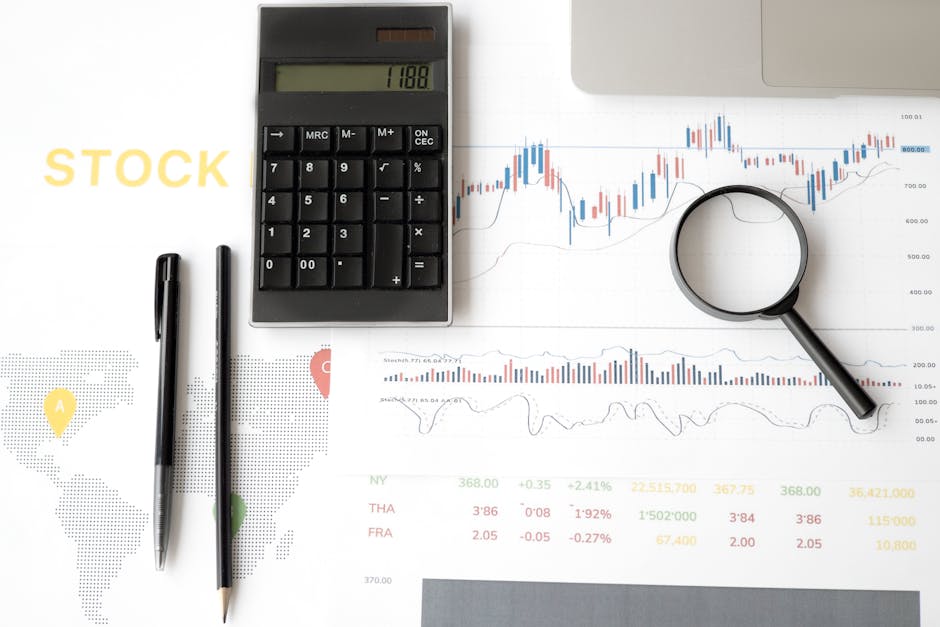
When most people think about stock prices, they imagine some invisible force determining value. In reality, the order book is the engine room of price discovery. Understanding it is one of the most actionable stock market workings you can master in 2026. An order book is simply a real-time, digital list. It contains all buy orders (bids) and sell orders (asks) for a stock. These are ranked by price and time. It doesn’t just reflect supply and demand. It physically governs where the next trade is executed. If you want to buy shares at $50.00, but the lowest sell order sits at $50.05, you cannot trade. You must match that ask price. This mechanical reality is why momentary imbalances create sharp price movements.
To see how order books control prices, imagine a sudden wave of sell orders. They appear at the best ask price. If investors are unwilling to raise their bids, the order book shows no buyers at the current price. The stock will then trade down to the next available bid level. It may drop $0.10 in a single second. Conversely, if the buy side is deep and aggressive, a few sell orders are snapped up instantly. This pushes the price higher to the next ask. These are not theoretical shifts. They are dictated by the queue of pending orders. As an actionable tip, check the depth of the order book before entering a volatile trade. A thin book means the price can swing wildly on small volume.
Savvy traders use this knowledge to find support and resistance levels in real time. If you see a massive cluster of buy orders at $50.00 in the bid list, that price often acts as a floor. It is unlikely to break unless that entire block of bids is consumed or canceled. On the flip side, a wall of sell orders at $51.00 can cap upward momentum. By monitoring these liquidity zones, you can avoid buying into a false breakout. You can also avoid selling into a temporary dip. In 2026, professional-grade order book data is available to retail traders. It is found on most modern broker platforms. Do not ignore it. This is the purest reflection of stock market workings available to you.
To put this into practice, start each day by reviewing the order book for your highest-conviction trade. Look for imbalances between bid and ask size at the top of the book. If the ask size is five times larger than the bid size at the current price, the path of least resistance is down. If the bid size dominates, the stock is primed to rise. Your job is not to predict. It is to react. Never place a market order during a thin order book. Instead, set a limit order at a price level where liquidity is confirmed. This one discipline can reduce your slippage by up to 30%. It gives you a genuine edge in understanding how the market truly functions beneath the surface.
3. The Role of High-Frequency Trading in Modern Markets
High-frequency trading (HFT) has fundamentally reshaped the stock market workings in 2026. It acts as both a source of immense liquidity and a point of contention among retail investors. At its core, HFT uses powerful algorithms to execute millions of orders at lightning speed. This often happens in microseconds. While this noise may seem chaotic, it tightens bid-ask spreads. This means you often pay less slippage when buying or selling shares. For the average investor, understanding this dynamic is key. It is the first step to recognizing how your order flow is routed and filled.
To navigate these modern markets, you must adopt a smart strategy. This strategy should acknowledge HFT’s presence without trying to outrun it. A practical move is to use limit orders on major exchanges. Examples include NYSE or Nasdaq rather than market orders. This prevents your trade from being “picked off” by a rapid algorithm. That algorithm detects your impatience. Furthermore, consider utilizing a broker that grants you access to “lit” and “dark” liquidity pools. These can provide better price discovery for larger block trades. This approach aligns with broader stock market workings. It reduces your transaction costs over time.
However, retail traders should avoid day-trading directly against HFT bots. Instead, apply a longer-term swing or position trading strategy. Focus on fundamental trends. For example, if you are interested in the logic behind automated strategies, explore how code-driven decisions shape liquidity. You can see this in Master Algorithmic Trading Smart Contracts in 2026. Understanding the automation beneath the surface helps you anticipate volatility. This is especially true during earnings season or major economic announcements. That is when HFT firms gap the market.
Finally, monitor “Reg NMS” amendments in the U.S. or MiFID III updates in Europe. These directly impact how HFTs operate. For actionable advice, set price alerts 2-3% below resistance levels. This helps catch artificial dips caused by canceled orders. By staying informed about these crucial stock market workings, you can use HFT to your advantage. Treat its speed as a tool for efficient execution. Do not see it as an enemy to your returns.
4. Understanding Market Makers and Their Daily Functions
Understanding how market makers operate is essential. It helps you grasp the true stock market workings in 2026. Market makers are large financial institutions or specialized firms. They stand ready to buy and sell a specific stock at publicly quoted prices. Their daily function is to provide liquidity. They ensure a counterparty is always available when you want to trade. Without market makers, you might wait hours or days. This would grind trading to a halt.
Each morning, market makers set bid and ask prices. They do this for the stocks they cover. The bid is the highest price they will pay for a share. The ask is the lowest price they will sell it for. The difference is called the spread. It represents the market maker’s primary profit. In 2026, algorithmic systems help market makers. These systems adjust spreads in real-time based on order flow, volatility, and news. You must remember the spread is a hidden cost. Each trade essentially pays the market maker for instant execution.
A critical function is absorbing imbalances. If a sudden wave of sell orders hits a stock, market makers step in. They buy shares from sellers, even if the price is falling. This stabilizes the market and prevents panic-induced crashes. Conversely, they sell from inventory during heavy buying. This cools down demand. This counter-cyclical behavior keeps prices from swinging wildly. For your stock market workings strategy, avoid trading in the first 15 minutes. Market makers are still stabilizing order flow. This makes spreads wider and prices less predictable.
To profit, focus on stocks with tight spreads. Ideally, these should be under $0.05. This indicates high liquidity and lower costs. In 2026, electronic market making is rising. Retail brokers often route your orders directly to these firms. Use limit orders instead of market orders. This ensures you pay the market maker’s bid or ask price. It also prevents sudden slippage. By respecting the market maker’s role, you align your trades with the hidden liquidity engine. This engine powers every transaction.
5. Why Dividends Are Still a Core Profit Driver
Many investors chase growth stocks. They believe these offer the only path to returns. However, understanding stock market workings in 2026 reveals dividends are overlooked. They remain a formidable engine for building lasting wealth. Despite market volatility and shifting cycles, dividends provide tangible cash returns. This cash flow doesn’t rely solely on share price appreciation. It is vital where interest rates have stabilized. Dividend yields become a reliable alternative to fixed-income investments.
A core reason dividends drive profit is compounding. When you reinvest dividends, you purchase additional shares. This often happens at lower prices during market dips. These shares then generate their own dividends. This creates a snowball effect. It can dramatically amplify total returns over time. For instance, a portfolio yielding 4% annually can outpace a non-dividend portfolio. This happens with reinvested dividends over a decade. Even with similar growth rates, the dividend portfolio wins. This is proven mechanics of how long-term investors win.
In 2026, companies with strong dividend histories signal financial health. They show disciplined capital allocation. A board that grows dividends must prioritize sustainable earnings. This acts as a natural filter. It steers you toward durable competitive advantages. To apply this, focus on the dividend growth rate. Do not just look at the current yield. Look for companies increasing payouts for at least 10 years. They often provide rising income that outpaces inflation. This does not cut into growth investments.
Your actionable step is to build a “income layer” in your portfolio. Allocate 20–30% of equity to high-quality dividend aristocrats. These firms are in utilities, staples, or healthcare. They show resilience regardless of economic weather. Use a dividend calendar to track ex-dividend dates. Set up automatic reinvestment to remove emotional decisions. By treating dividends as a core profit driver, you transform your portfolio. It becomes a cash-generating machine. Embrace one of the most durable truths in stock market workings today.
6. The Impact of IPO Floats on Share Value
When a company goes public through an IPO, it issues new shares to investors. This can initially create downward pressure on the stock price. The increased supply of shares available causes this. It is because the stock market workings are driven by supply and demand. In 2026, more companies opt for direct listings and SPAC mergers. Understanding how the float affects share value is crucial. The float is the number of shares available for public trading. This knowledge is vital for any investor.
A large IPO float can dilute existing value. This happens especially if demand from new investors doesn’t match supply. For example, if a company floats 20% of its shares, the market must absorb that volume. This often leads to a price drop initially. However, if the company shows strong growth potential, the offering can be well-priced. The increase in share count can then be offset by higher market valuation over time. Savvy investors monitor the “float-to-total shares ratio” closely. They do this to gauge potential volatility post-listing.
To gain a practical edge, always examine the lock-up period expiration date for insiders and early investors. When these periods end, additional shares hit the market. This creates a “secondary float” that can depress prices further. An actionable step is to avoid buying immediately after an IPO. Instead, wait for the lock-up expiry and any subsequent stabilization. For authoritative guidance on this, Investopedia explains that IPOs with smaller floats often experience more dramatic price swings. Adjusting your position size accordingly is wise.
Lastly, consider how the stock market workings in 2026 incorporate algorithmic trading into IPO pricing. Algorithms now assess float size and historical demand patterns within milliseconds. This means retail investors can be left behind if they don’t plan. A recommended strategy is to use limit orders rather than market orders around IPO events. This helps avoid unexpected fills. By understanding float dynamics, you can better anticipate dilution risks. You can also time your entry for long-term gains rather than short-term hype.
7. How Short Selling Reveals Market Sentiment
Short selling is often misunderstood as mere pessimism. In reality it serves as a transparent gauge of stock market workings in 2026. When an investor borrows shares to sell them, they bet the asset is overvalued. This mechanism reveals genuine market sentiment. Short sellers commit real capital to their convictions. Unlike casual opinions on social media, short selling forces investors to put money behind their bearish outlook. It is a high-stakes signal worth monitoring.
To use short selling as a tool, look at the short interest ratio. It is the number of shares sold short divided by average daily trading volume. A rising ratio often indicates growing pessimism among sophisticated traders. The broader market may brace for a downturn. For instance, if a tech stock shows high short interest in early 2026, professionals anticipate a price drop. Track these figures weekly to identify pressured sectors. Adjust your portfolio proactively rather than reactively.
However, short selling also reveals contrarian opportunities. Extremely high short interest can lead to a short squeeze. Bearish traders are forced to buy back shares as prices rise. This accelerates upward momentum. This dynamic highlights a crucial aspect of stock market workings: sentiment is not static. When sentiment becomes uniformly negative, it often precedes a reversal. For example, if a company’s short interest spikes due to temporary bad news, but fundamentals remain strong, the resulting squeeze can create quick gains for patient buyers.
Actionable advice: Combine short interest data with earnings quality and management guidance. If short sellers target a company that consistently beats earnings estimates, the sentiment may be misaligned. Use tools like the short squeeze index or put-to-call ratios to cross-validate signals. Interpret short selling as a barometer of fear and greed. You gain a clearer picture of where the market stands. This empowers informed decisions rather than emotional ones.
8. Why Index Funds Dominate Passive Investment Flow
In 2026, index funds dominate passive investment flows. This is due to a fundamental shift. Retail and institutional investors now view risk and efficiency differently. At the core of modern stock market workings, index funds offer a simple yet powerful proposition. They provide broad market exposure without needing to pick winning stocks. By tracking benchmarks like the S&P 500 or MSCI World, these funds diversify risk across hundreds of securities. This offers a predictable, low-cost alternative to active management. For the average investor, this means avoiding the volatility of individual stock picks. You still capture overall market growth.
The mechanics of why index funds dominate are deeply rooted in behavioral economics. During market uncertainty or high inflation—persistent into early 2026—investors seek certainty and simplicity. Unlike actively managed funds with high fees and manager judgment, index funds operate on a transparent, rules-based system. They automatically rebalance to maintain target allocation. This ensures your portfolio reflects actual stock market workings without daily oversight. This “set it and forget it” approach reduces emotional decision-making. A common pitfall is buying high and selling low.
From a practical standpoint, cost efficiency also drives index fund dominance. Expense ratios for passive index funds are as low as 0.03% in 2026. Active funds average 1-2%. Over 30 years, these fee differences compound into tens of thousands in savings. Fractional share investing and zero-commission trading now allow starting with as little as $10. This accessibility aligns with the core principle of passive investing. Time in the market beats timing the market.
To leverage this trend, prioritize consistent contributions. Do not try to time the market. Automate a monthly investment into a broad-based index fund like VTI or IVV. Resist the urge to chase recent winners in other sectors. Remember that stock market workings are cyclical. Index funds capture the full cycle—ups and downs—while averaging out risk. By doing so, you align your portfolio with proven long-term compound growth. This is why index funds dominate the passive investment landscape in 2026.
9. Trading Volatility Indexes to Predict Market Moves
Understanding the modern stock market workings in 2026 requires a shift. You must move from stocks to monitoring market emotion. The Volatility Index, often called the “fear gauge,” has evolved. It is now a tradable asset class. By trading volatility indexes directly, you are not just reacting. You are betting on the speed and intensity of moves. This gives you a predictive edge. You can position your portfolio before major price swings. You avoid scrambling to adjust after the fact.
Practically, you can use volatility futures and options. You can hedge your portfolio or speculate. For example, if geopolitical tensions or earnings surprises are expected, a rising volatility index often precedes a sell-off. By buying a volatility futures contract or a call option on the VIX, you can profit from the panic. Conversely, when the market is complacent and volatility is low, selling volatility can generate income. But beware—this strategy carries catastrophic tail risk.
The key to actionable trading is divergence analysis. Watch for a falling stock market with a static or declining volatility index. This divergence often signals a capitulation bottom is near. Sellers are exhausted. The reverse—a rising stock market with spiking volatility—can warn of an impending reversal. To deepen your ability to profit from emotional cycles, you must master compounding returns. For a complete framework on building wealth through disciplined reinvestment, explore this guide: Master Compound Interest in 2026.
Remember, volatility is not just risk. It is an opportunity to read the market’s heartbeat. By treating the volatility index as a tradable signal, you align trades with crowd emotion. This approach allows you to predict market moves with greater accuracy. You turn fear into a consistent edge. You deepen your understanding of stock market workings.
Frequently Asked Questions
Stock prices rise when more investors buy than sell. Prices fall when selling exceeds buying. This dynamic reflects market sentiment, news, and company performance in real-time.
Exchanges like NYSE and Nasdaq provide a regulated platform. Buyers and sellers trade stocks there. They ensure transparency, fair pricing, and efficient order execution through advanced systems.
Dividends are company profit shares paid to shareholders. They are typically paid quarterly. They offer a steady income stream. Payout rates vary by company policy and financial health.
Volatility measures price fluctuation frequency. It creates both risk and opportunity. High volatility can lead to quick gains or losses. Low volatility suggests stable, predictable trends.